
Making a U-turn and heading in a slightly different direction here. Even though we’re not going to ride completely away from the wagers and the Celtic awesomeness, there won’t be any green and white horizontal hoops, cheering crowds or sports undertones. Instead, we have three recommended slot variations dedicated to another epic Celtic superhero – King Arthur himself! Whether or not his existence was a myth, one thing is certain, it has surely inspired a crazy amount of slot creators. Resulting from my http://slots.info/ research, here are the top 3 Celtic-themed titles which I believe are worth your time.
Xcalibur
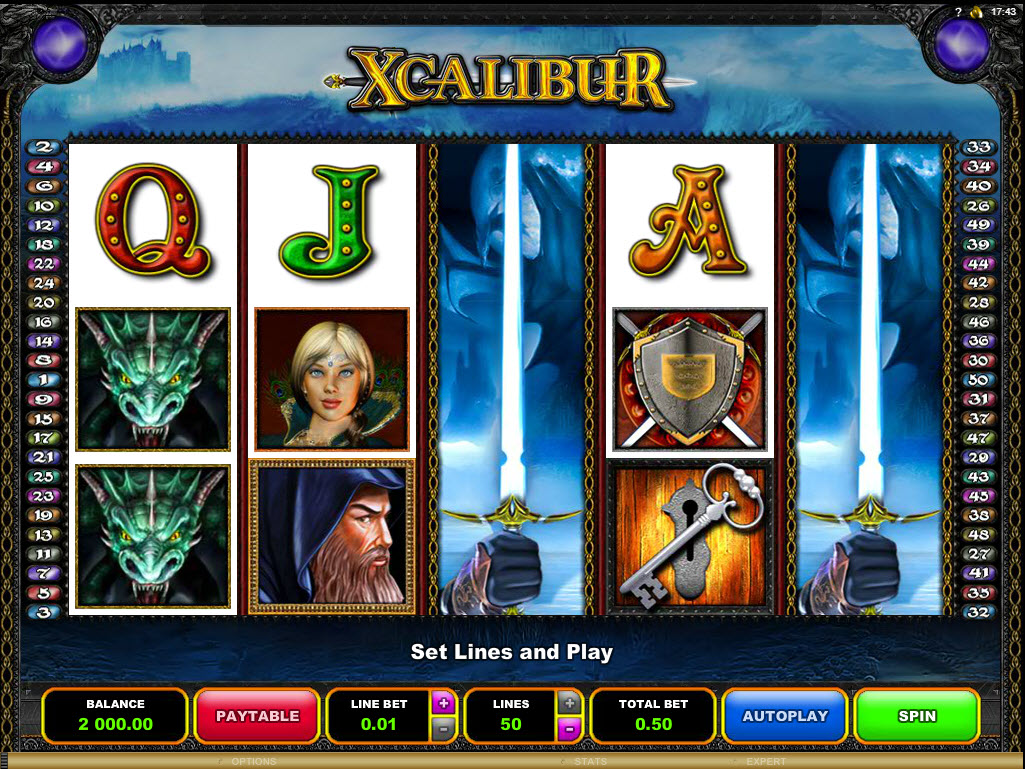 Named after the legendary sword of King Arthur, this Microgaming slot offers a great payout (97% RTP) with bets starting from just £0.01. Featured on the 5 reels are Guinevere, Merlin, dragons, and the King himself. The sword symbol stands for Wild substituting for all symbols except for Bonus and Scatter. It often expands to cover half or even one entire reel. To boosts the excitement the game comes with two bonus features, one awarding free spins with an x2 win multiplier, and the other, a bonus round with great cash prizes. Overall, it’s one of those older games with slightly dated graphics but with a superb payout and an authentic medieval feel! A perfect match!
Avalon
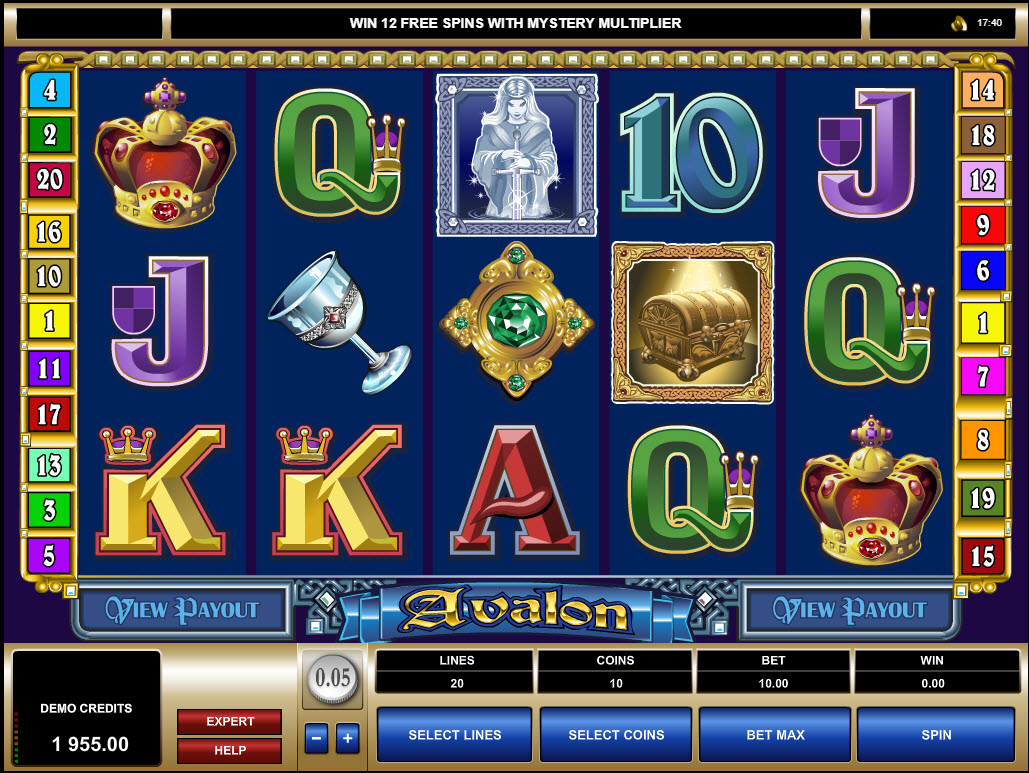 Apparently, Microgaming shares a passion for Arthurian legend-based slots as my second recommendation is, again coming from their headquarters. There are 20 paylines on the 5-reel/3-rows layout and symbols such as a crown, a goblet, the Lady of the Lake, as well as the lower paying A, K, Q, 10, and J. The game boasts not one but two Wild symbols, Avalon being the first, and the treasure chest – the second. They appear respectively in the base game or during the free spins feature. 3 Scatters is what you’ll need to trigger the free spin action which comes with an up to x7 multiplier. What’s more, all wins can be doubled or quadrupled thanks to the featured gamble option. You just have to guess the colour or the suit of a face-down card. While playing the Avalon slot in demo mode, I scored a mega win thanks to the retriggering free spins round. Just saying!
Merlin’s Magic Respins
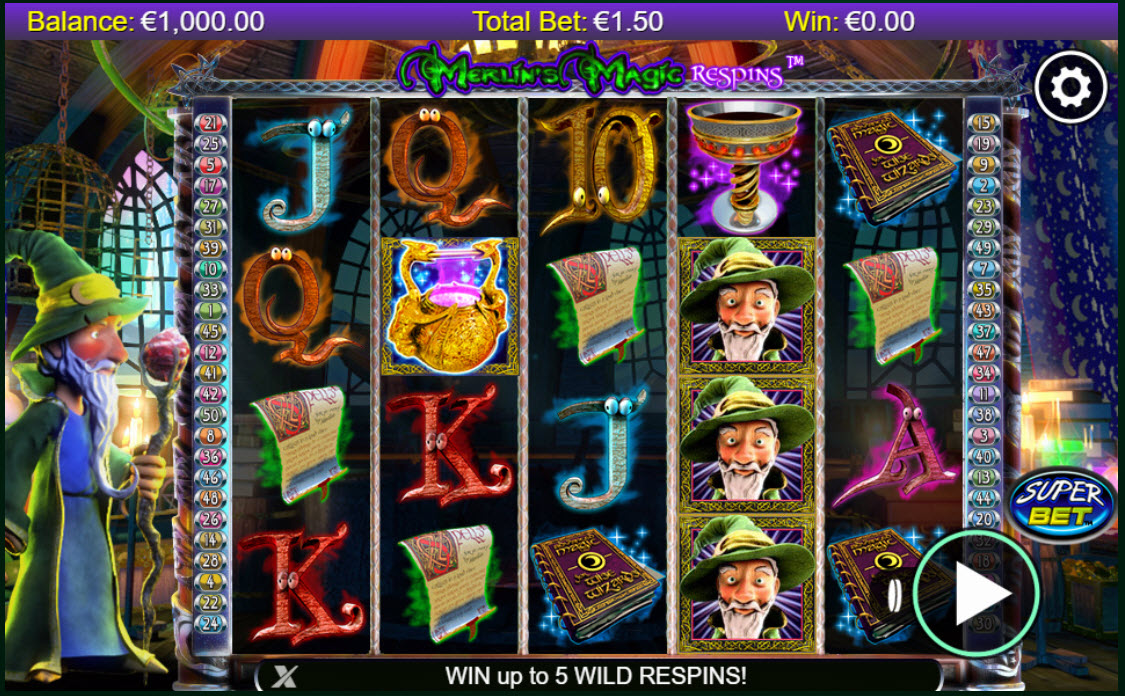 Merlin is the wise wizard from the legend of King Arthur and the inspiration for a series of 3 vivid NexGen slots. Merlin’s Magic Respins is the sequel to the also very popular Merlin’s Millions and features 5 reels, 4 rows, 50 paylines, and a magical 3D theme. The wizard is the Wild symbol appearing stacked on the reels. Any full stack of it triggers the Wild Respins feature during which Merlin is held on the reels until the Respins end. However, my favourite part of the game is the SuperBet. By choosing different SuperBet levels you place an additional wager which increases the award with up to 5 Respins. Playing without the SuperBet is still fulfilling but using the additional bet takes the awards and the fun up to a whole different level.
 However way you put it, though, the current crop simply cannot compare to the Strachan sides in the recent past. We used to be a much larger threat in the Champions League back then, and we reached the last 16 fairly frequently. There was a good mix between local lads and foreign talents, and we were playing our own brand of football. Now, don’t get me wrong, I am not saying that we should splash big bucks only cause all the rest of Europe has gone into a financial frenzy, but we could be a little smarter with our purchases.
 Following those bhoys in green from afar ain’t easy, that’s for sure, and starting this blog so soon after another European kick in the teeth maybe isn’t the brightest idea, but we have to walk on! It might come out cheesy – but I really do believe in the golden dawn that awaits us after the storm! Money, the S*n and Willie Collum might be ruining the game, but football is still football. So why Celtic Twilight – cause Scottish football needs a